What are the key changes to FRS 102?
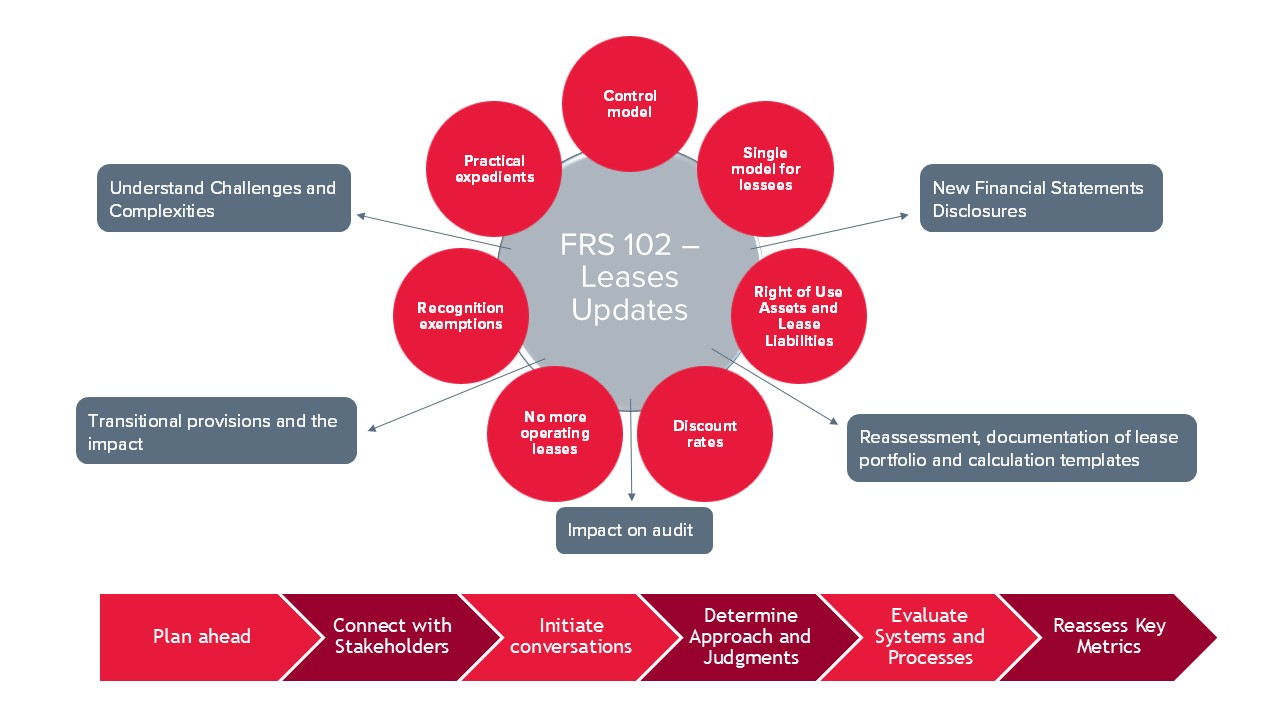
Lease accounting: More leases recognised on the balance sheet
Under the revised Section 20, most leases must now be recognised on the balance sheet through a right-of-use asset and corresponding lease liability, subject to certain exemptions.
This represents a significant change for businesses with operating leases and may affect reported assets, liabilities, EBITDA and debt-related financial metrics. Finance teams should review existing lease agreements, assess the financial impact and consider whether their systems can support the new requirements.
FRS 102 – Leases – Major changes for Lessees
Revenue recognition: A new five-step model
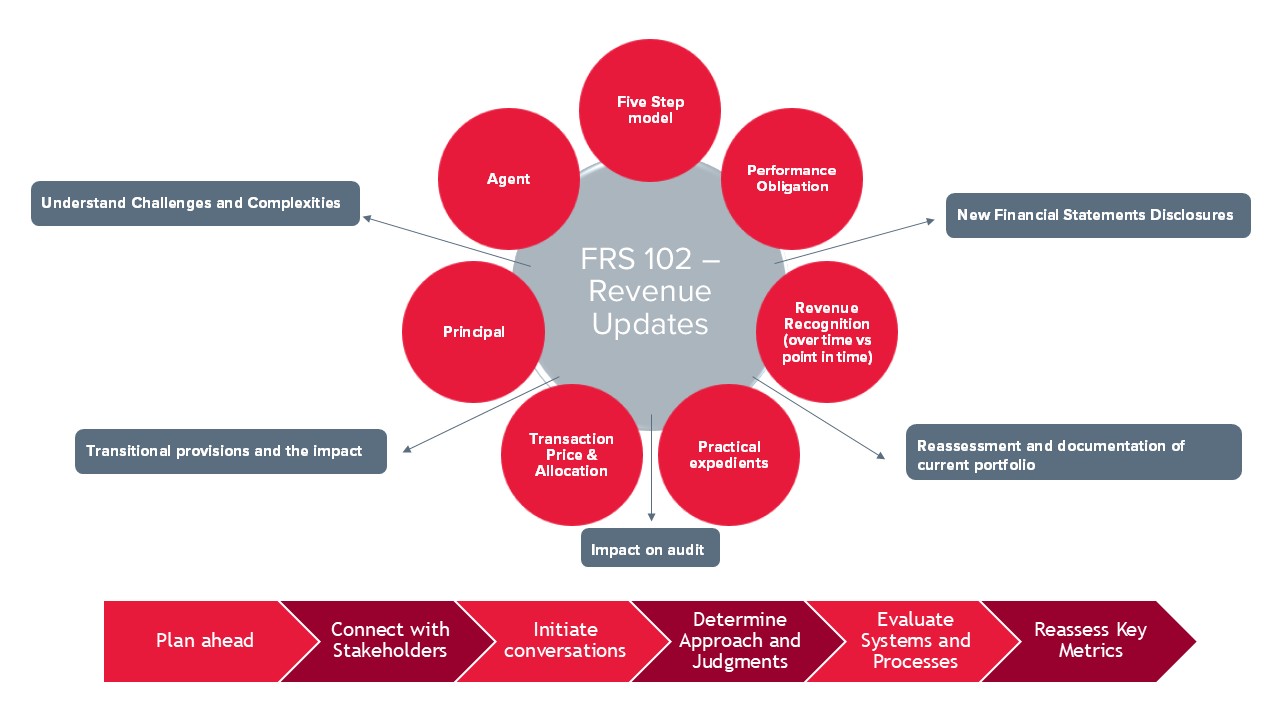
Section 23 introduces a revised approach to revenue recognition, based on a five-step model that focuses on when contractual performance obligations are satisfied.
Businesses may need to reassess how they account for customer contracts, particularly those involving multiple goods or services, variable consideration or contract modifications. Changes to revenue recognition policies, supporting documentation and financial statement disclosures may also be required.
FRS 102 – Revenue from Contracts with Customers – Major changes
Wider changes to financial reporting
Beyond leases and revenue, the amendments introduce further requirements and clarifications covering fair value measurement, business combinations, financial instruments, income tax and financial statement disclosures.
While the impact will vary depending on the nature of each business, finance teams should consider how these changes affect existing accounting judgements, reporting processes and disclosure requirements.
Understanding the impact on your business and how can BDO help
The FRS 102 amendments extend beyond technical accounting changes. They may require businesses to review contracts, update accounting policies, assess financial reporting systems and communicate the impact on key financial metrics.
Our FRS 102 Updates Guide provides a detailed breakdown of the amendments, alongside practical preparation roadmaps to help businesses assess and manage the changes.
Additionally, our Financial Reporting team can support your organisation in assessing the impact of the FRS 102 amendments, reviewing accounting policies and financial models, and identifying changes needed to reporting processes and disclosures.